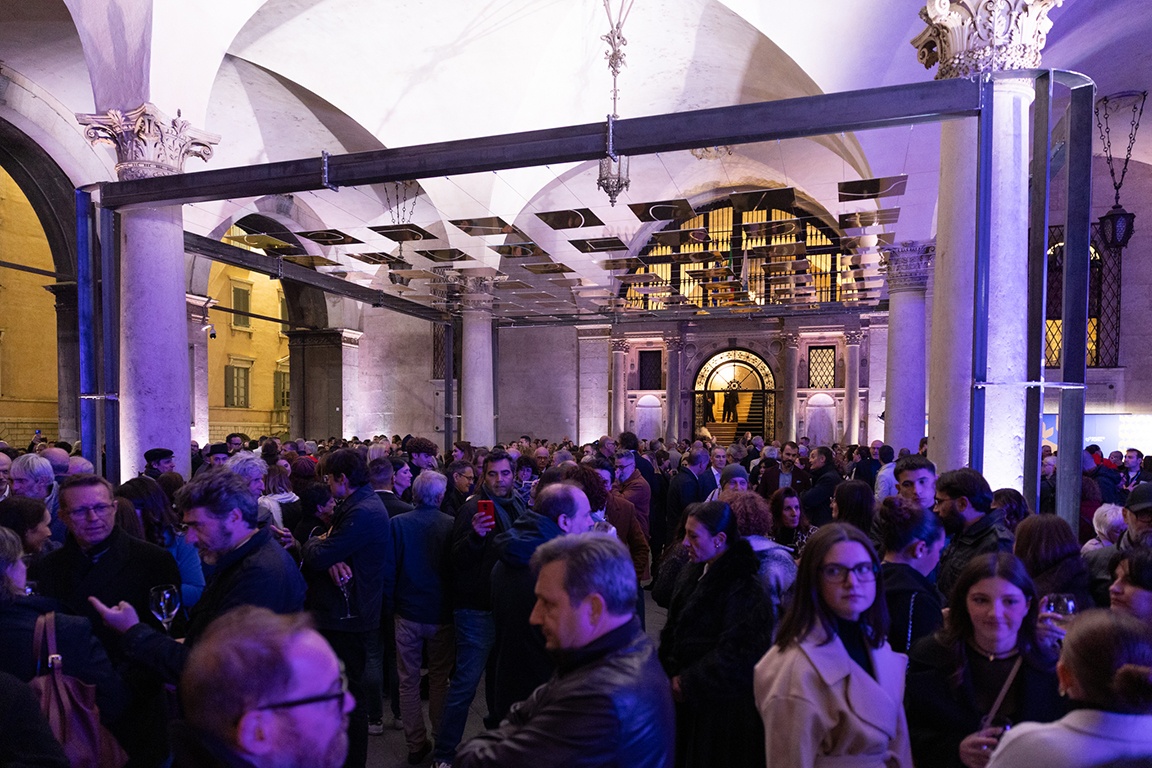
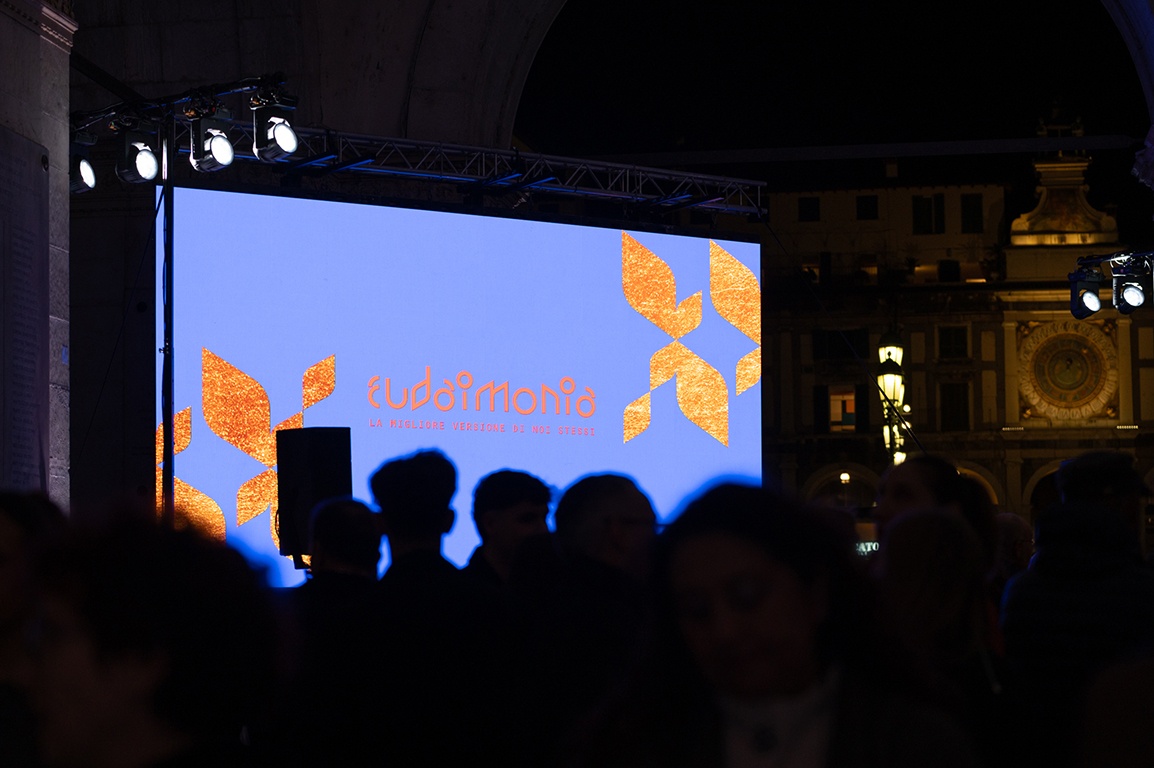
Site-specific installation by Domenico Franchi – Palazzo Loggia, Brescia - October 24, November 2, 2025
The work was created to commemorate the fortieth anniversary of the founding of Gruppo Foppa, a prestigious institution from Brescia that has guided thousands of people along their educational journey.
For this occasion, an identity manifesto was developed — the result of a long process of analysis and reflection based on the experience accumulated over all its years of activity.
The installation sought to give poetic form to the words of the Manifesto.
“I thought the most suitable approach was to work on a metaphor that could synthesize, in an evocative and simple form, the complexity and depth of the values expressed in the Manifesto.
Not a description, but rather a spatial invention capable of suggesting, on various perceptive levels, the sensation and meaning of its contents.
I imagined a kind of garden, an hortus conclusus, in which the values and qualities of humankind are cultivated — a place where it is truly possible to attain what the Greeks called Eudaimonia.
A word composed of EU (good, well, better) and DAIMONIA (the quality of one’s inner spirit or daemon); in other words, the best version of oneself.
A point of equilibrium, a state akin to serenity, to “happiness”… not a transient condition but a permanent achievement, attained through the full realization of the self.
This idea lies at the foundation of all Western thought: in the course of life, humankind aspires to Eudaimonia.
According to Aristotle, such a condition is reached only if one discovers and knows oneself, and works to fully realize one’s own qualities (virtues), with katametron — kata meaning “according to”, and metron meaning “measure”.
Thus Eudaimonia is the state achieved by becoming aware of one’s specific qualities and developing their utmost potential according to the right measure.
Eudaimonia is the ultimate goal of every path of learning and growth; it is what we cultivate within our hortus conclusus.
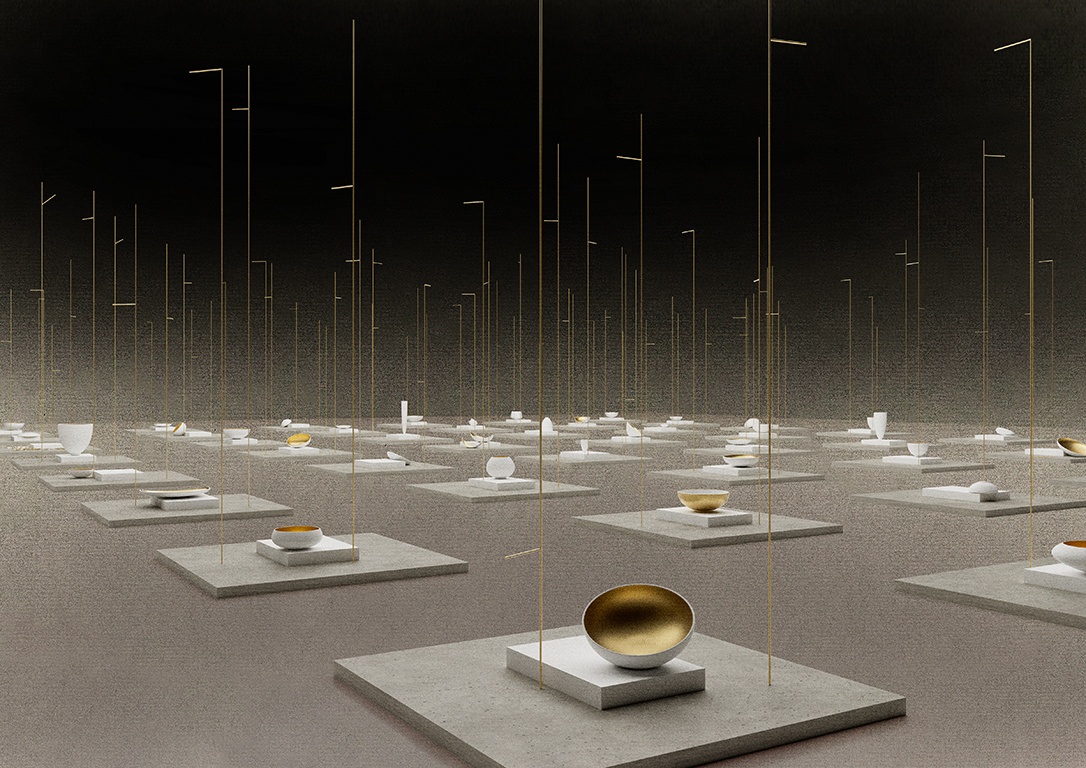
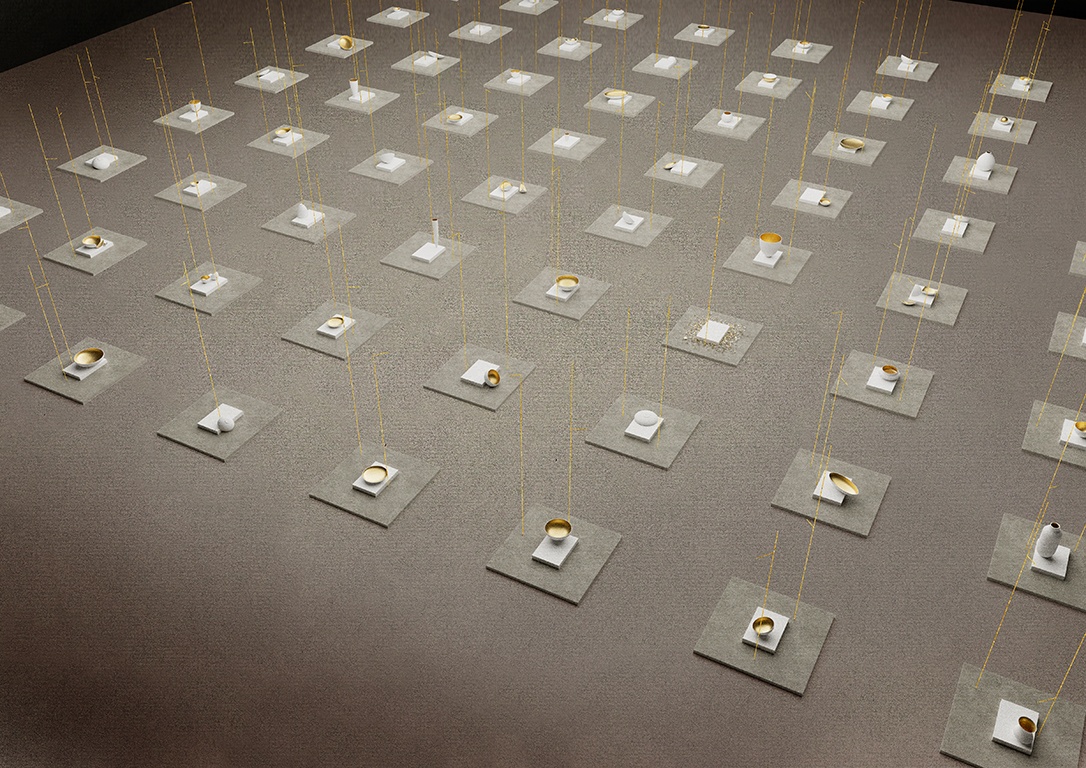
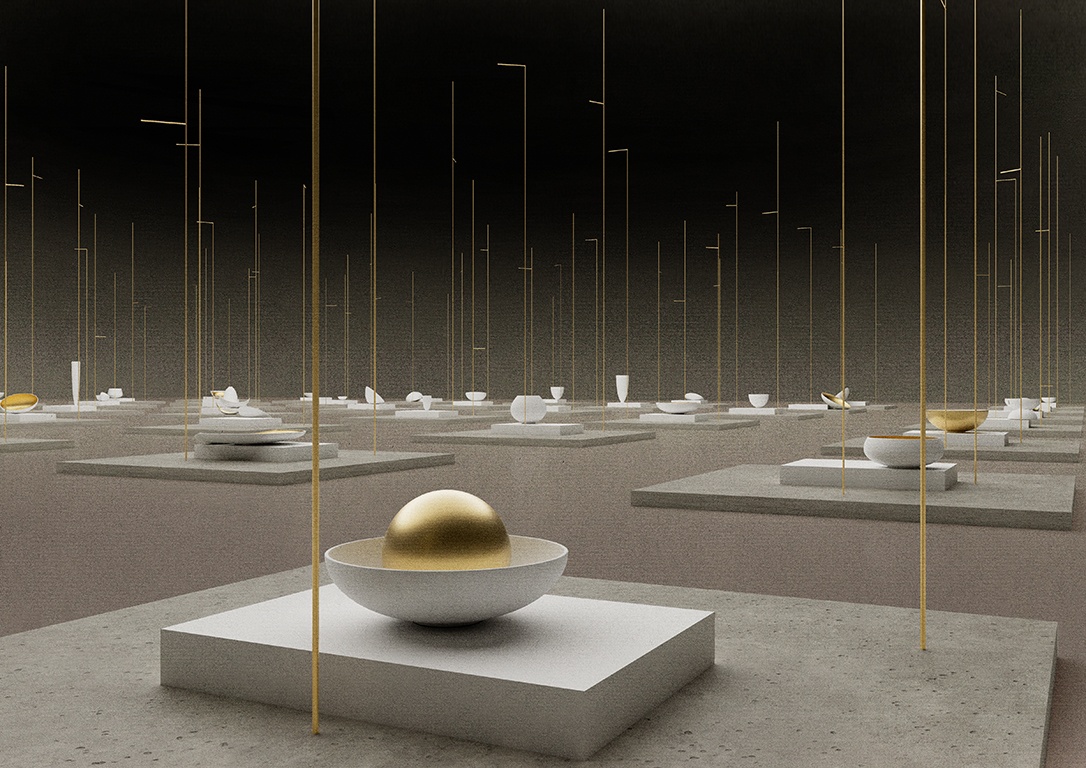
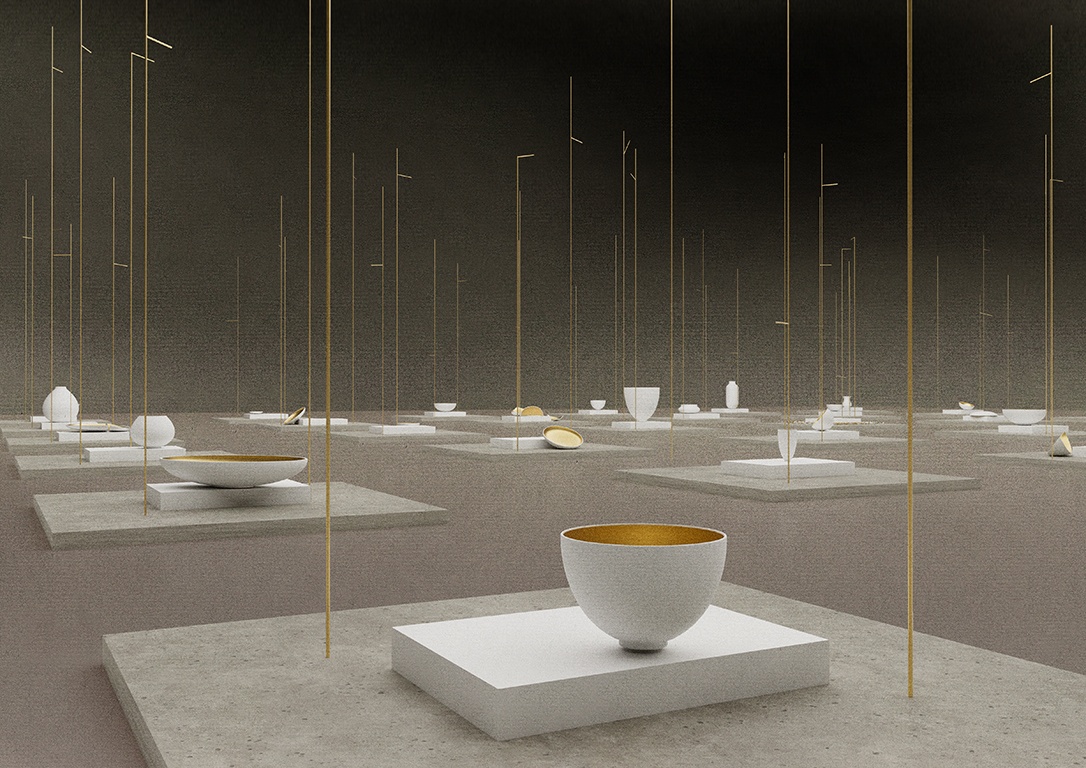
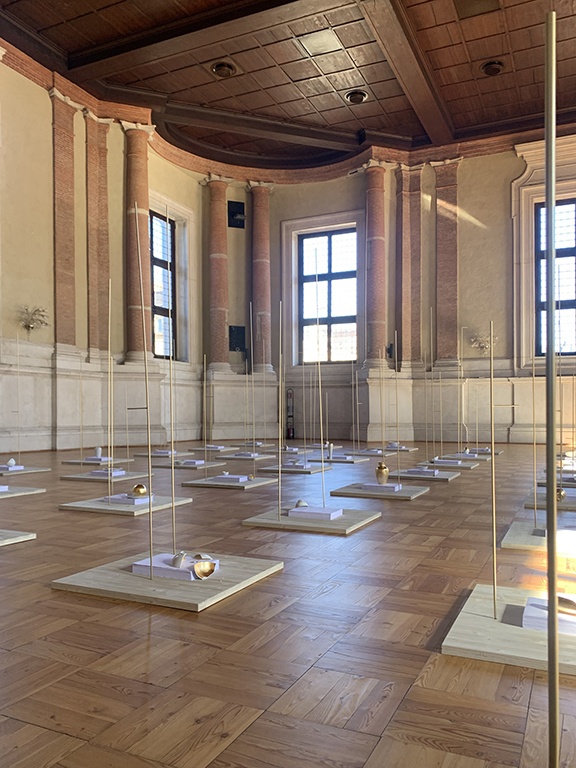
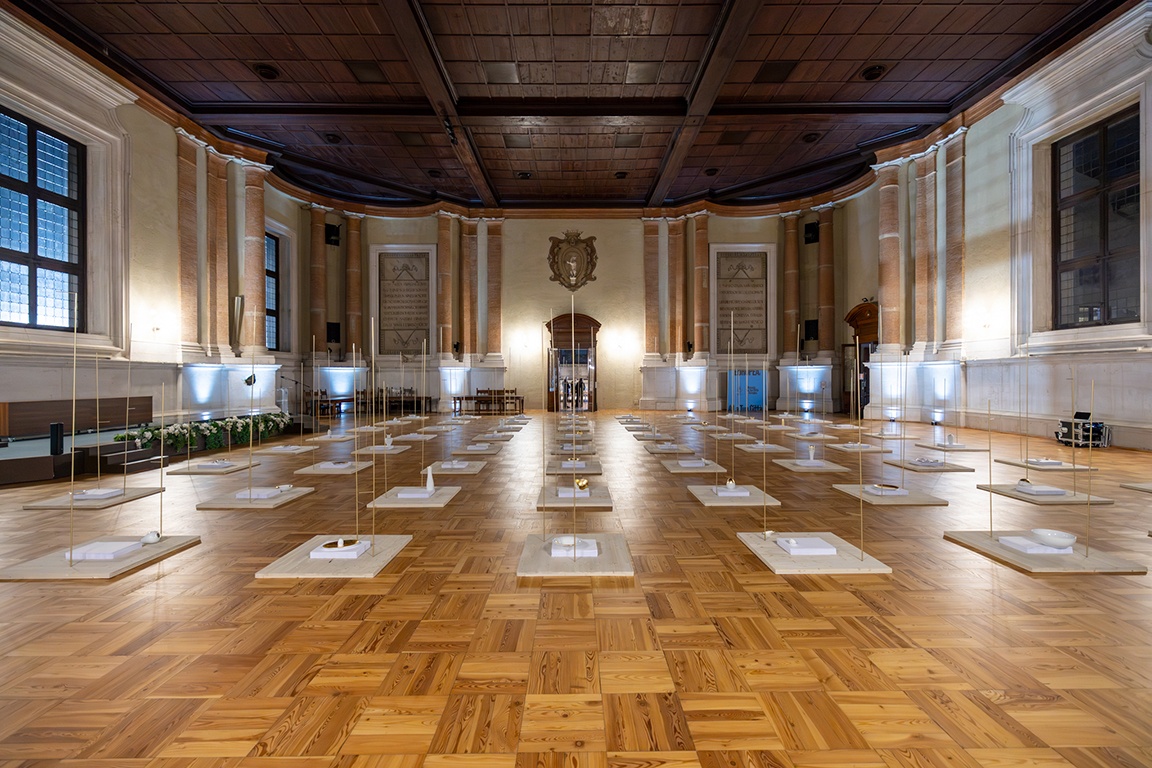
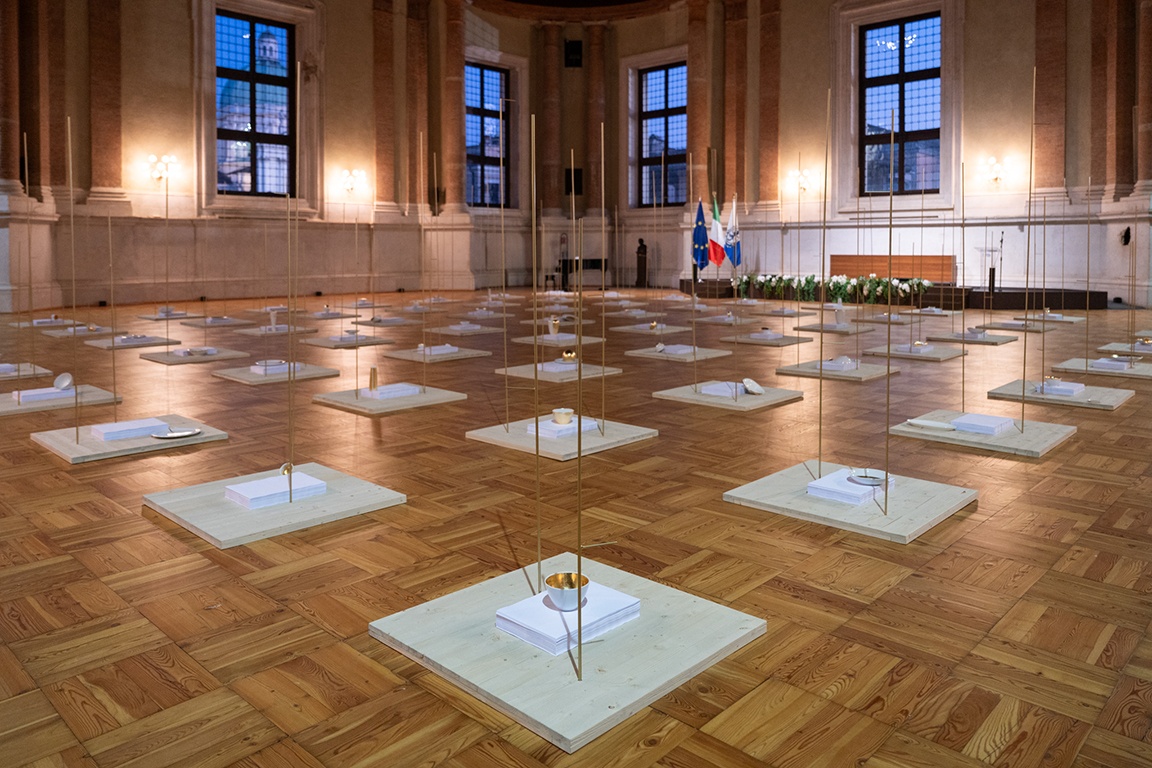
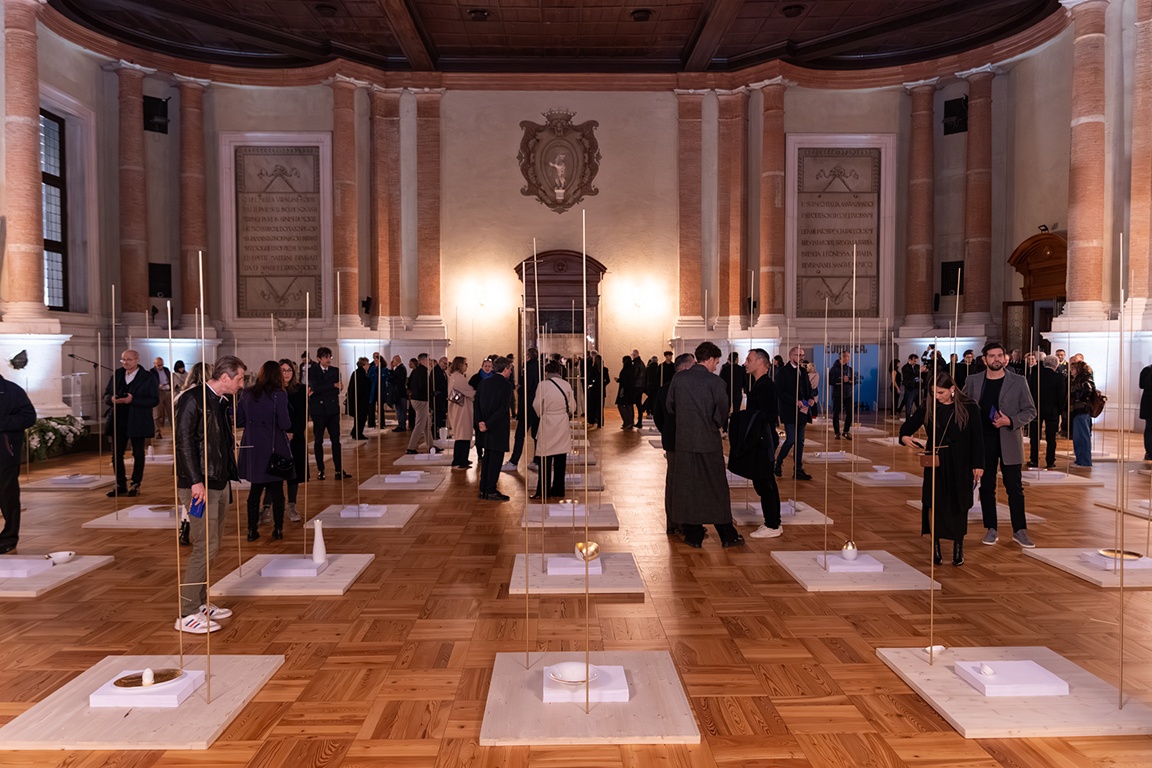
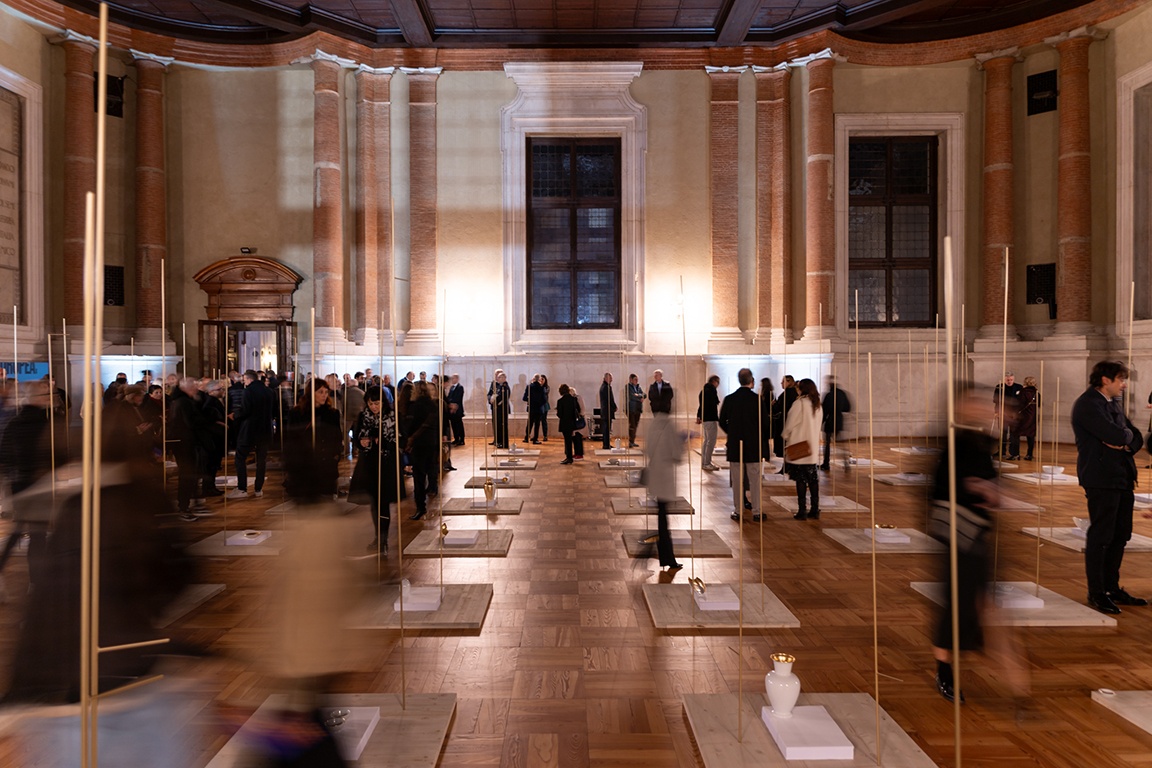
I imagined a crystalline garden, with a clear and transparent geometry, linear in its trajectories, ordered in its perspectives.
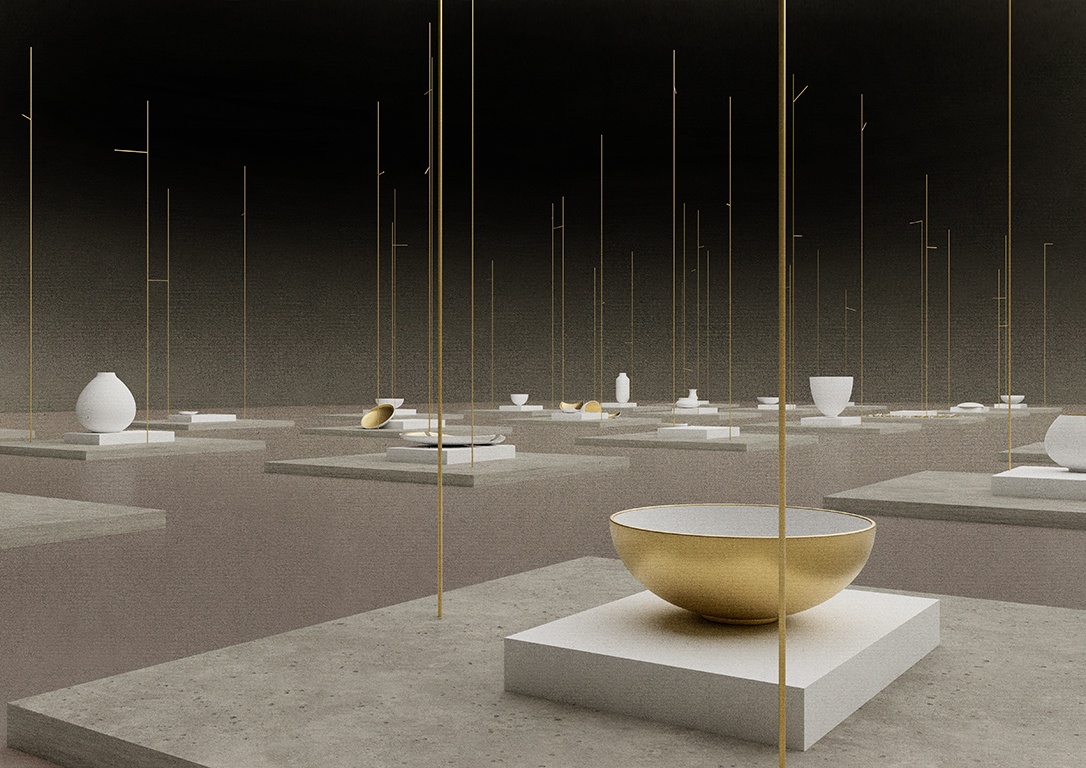
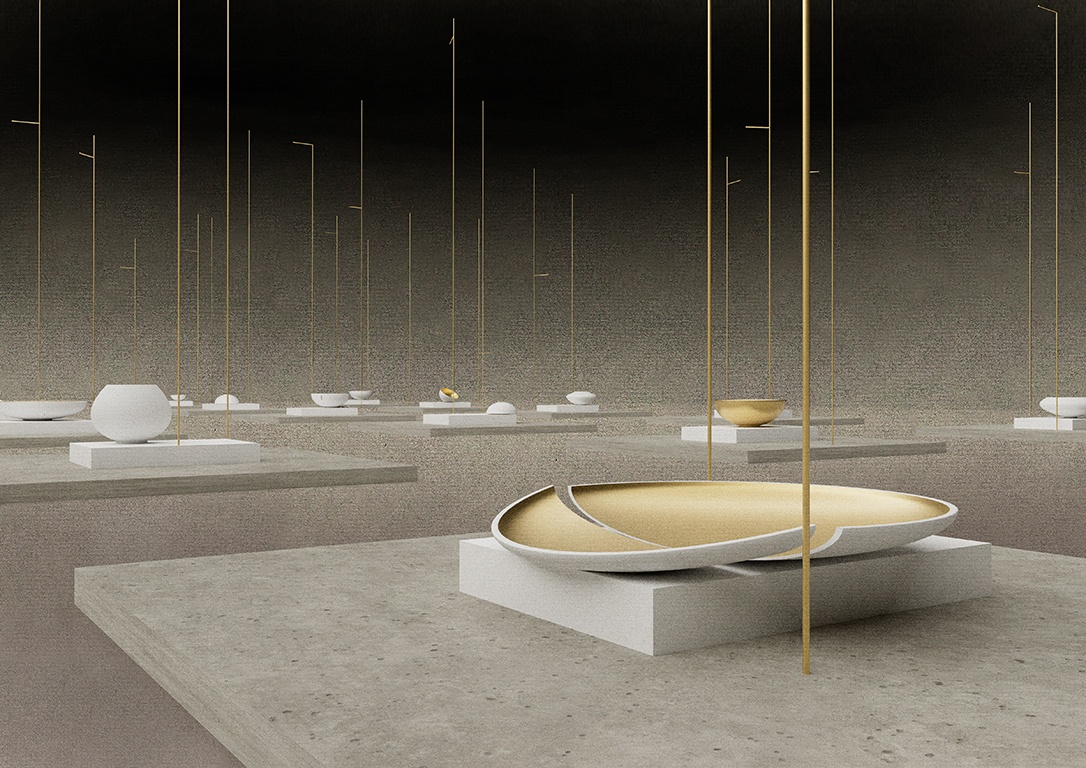
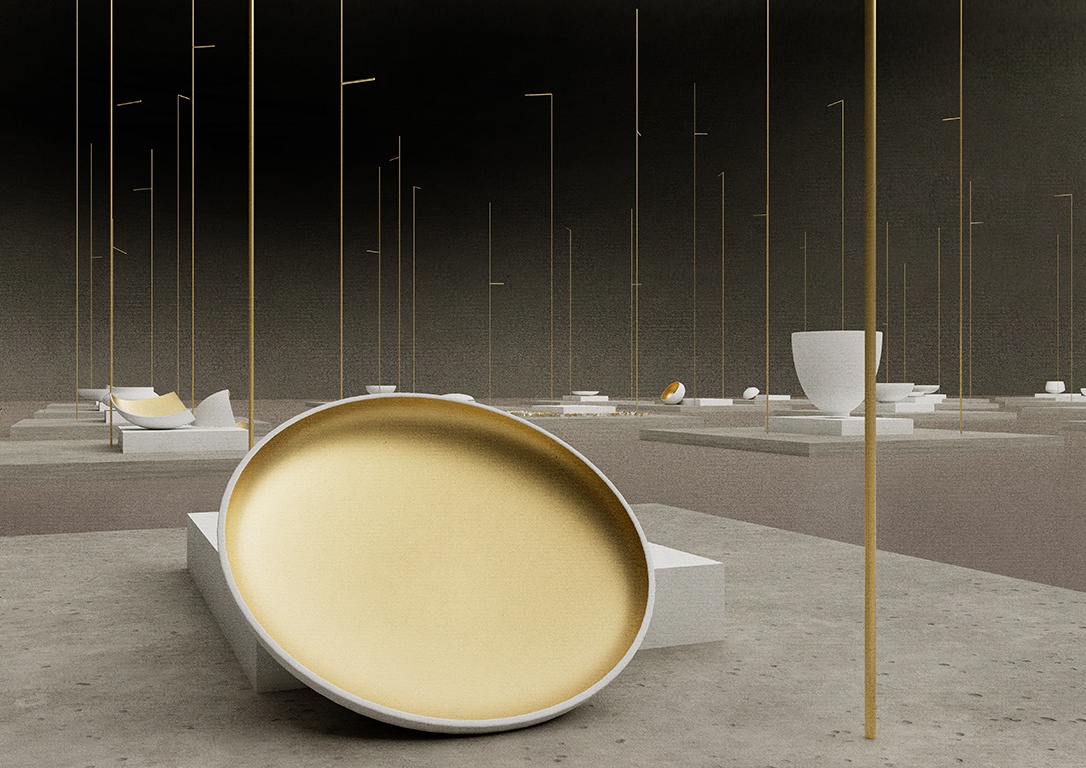
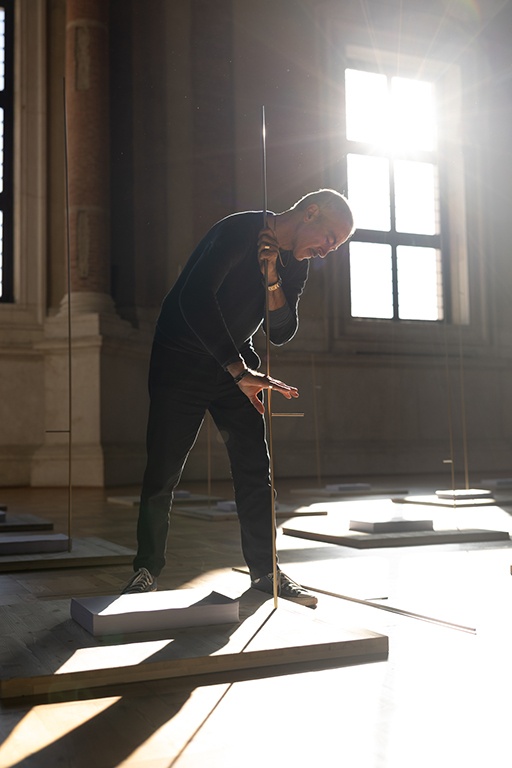
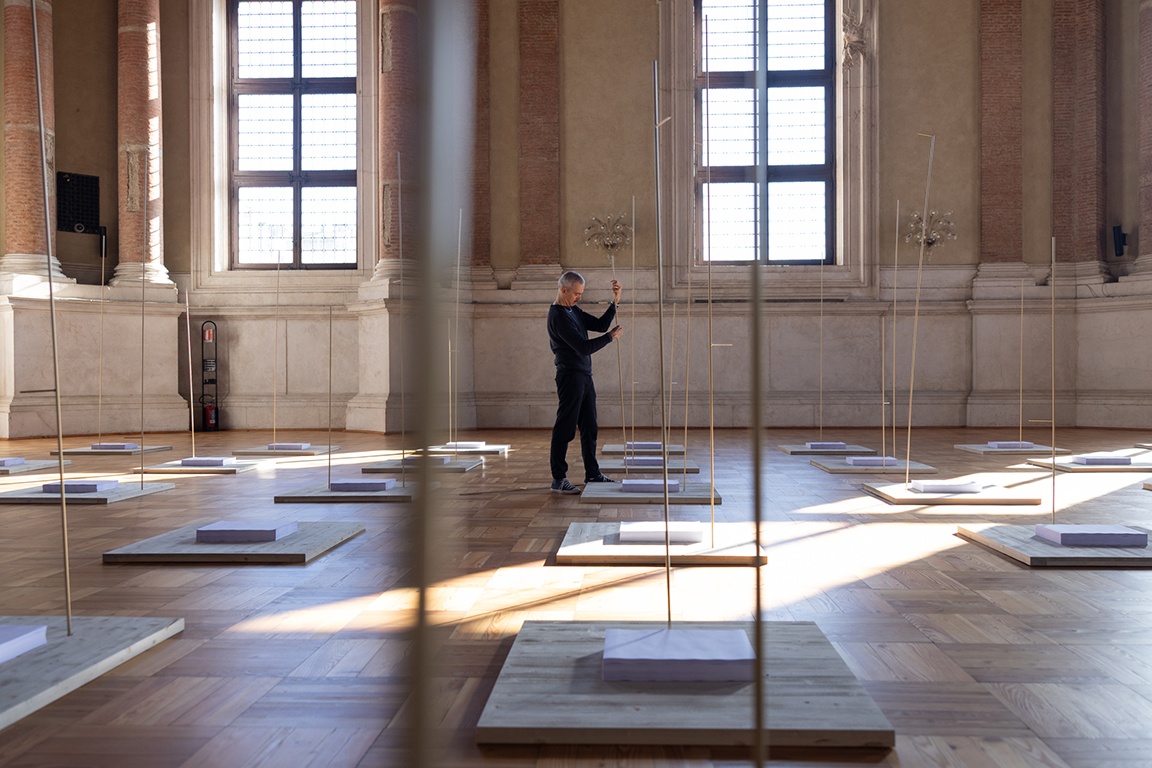
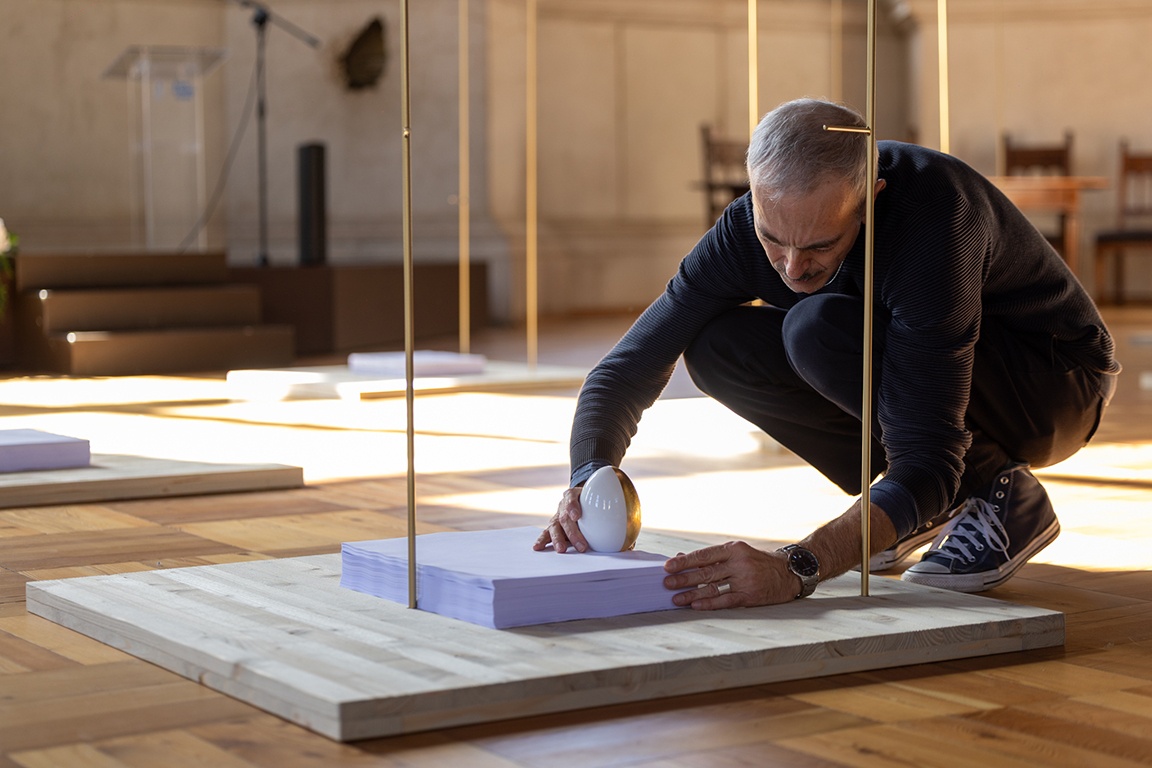
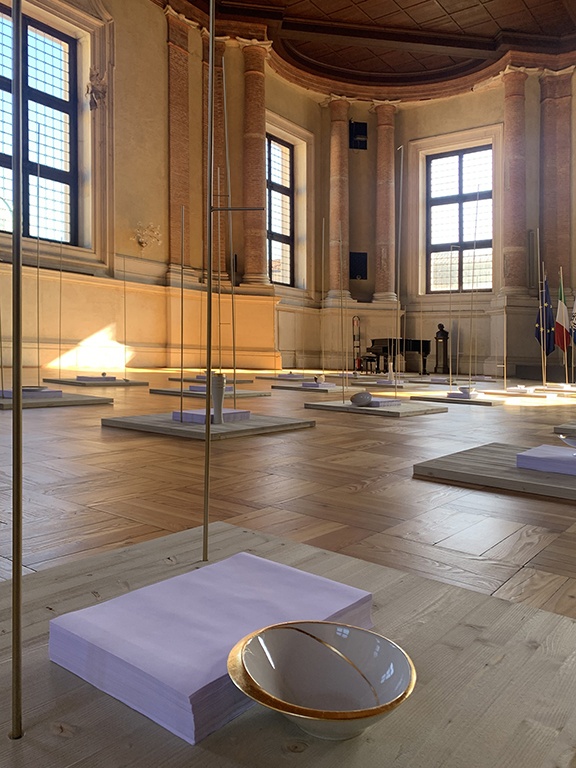
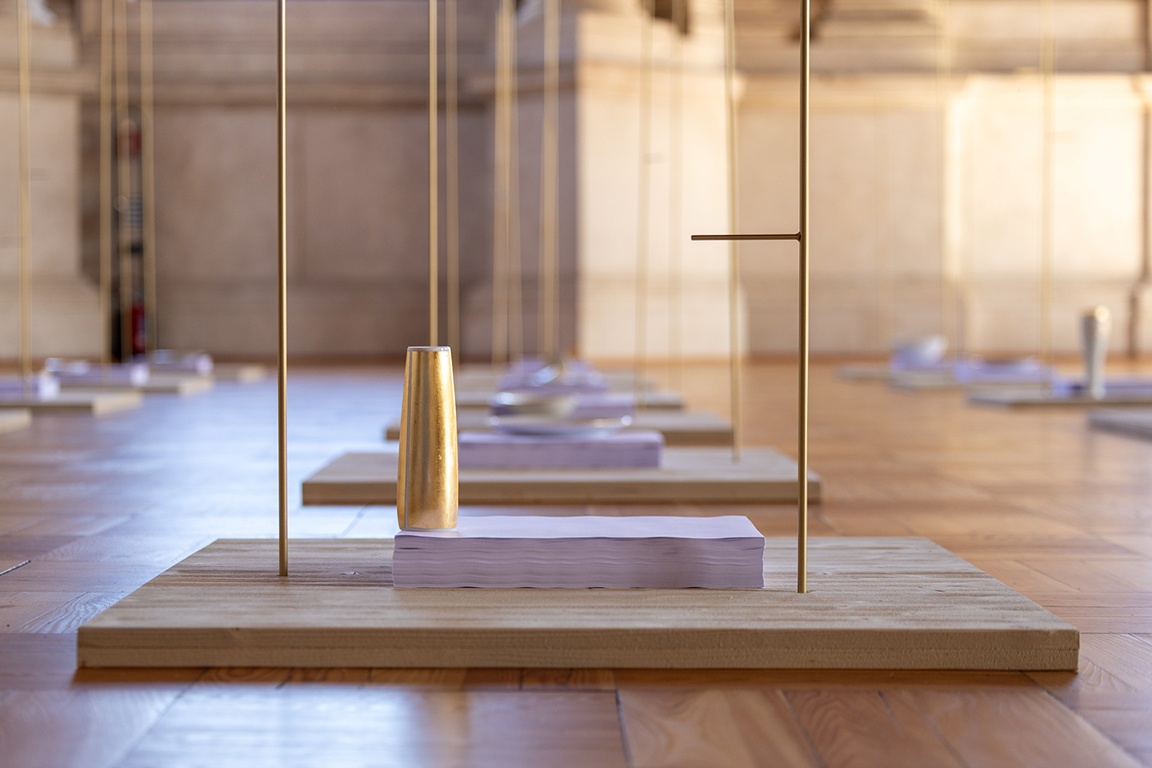
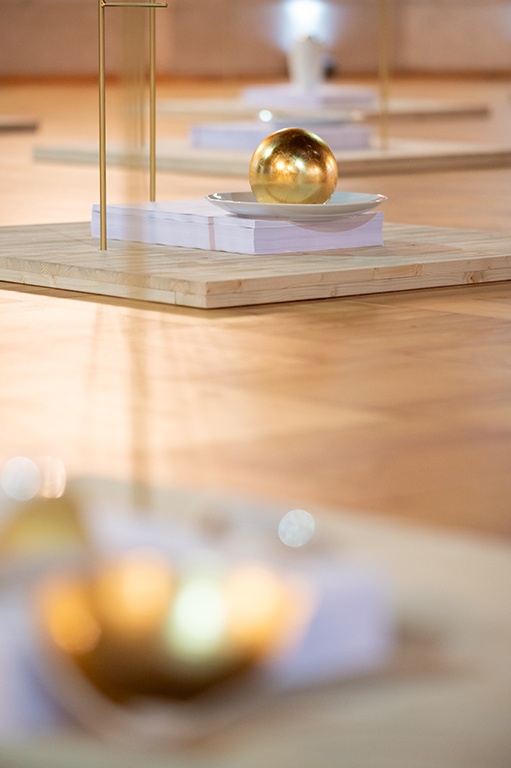
The apparent simplicity of this garden, set within the Vanvitellian Hall, is composed of a multitude of units, each variable in form and in its relationship with space.
Every unit is a composite entity with peculiar characteristics:
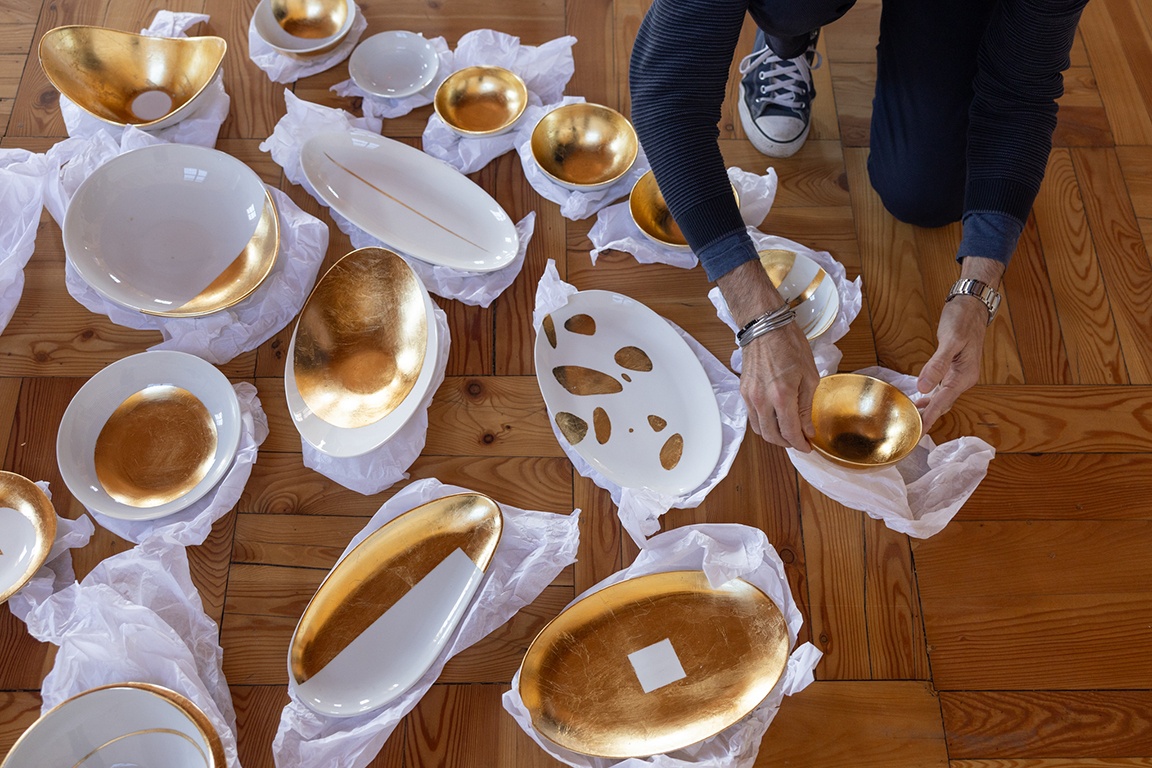
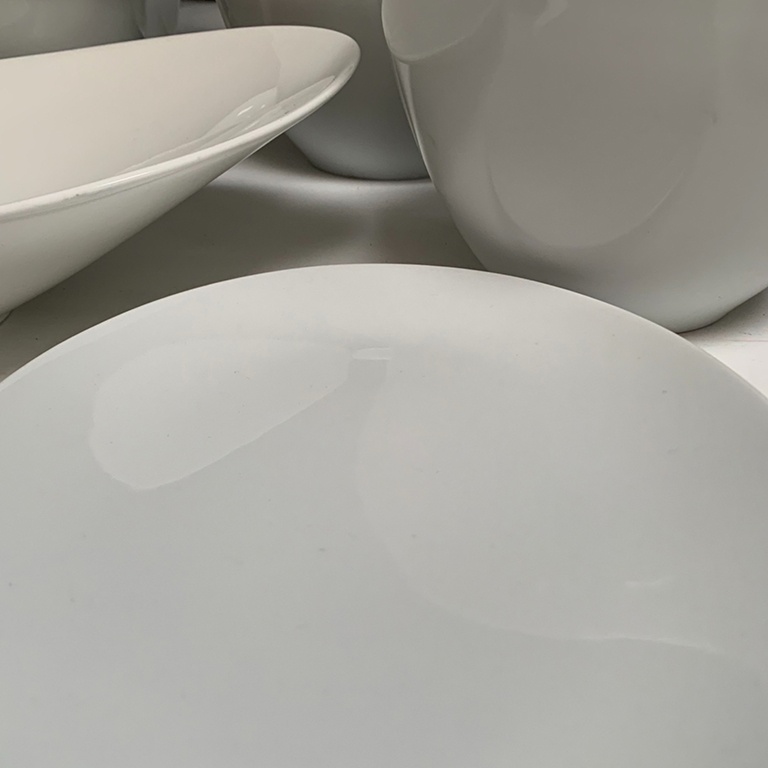
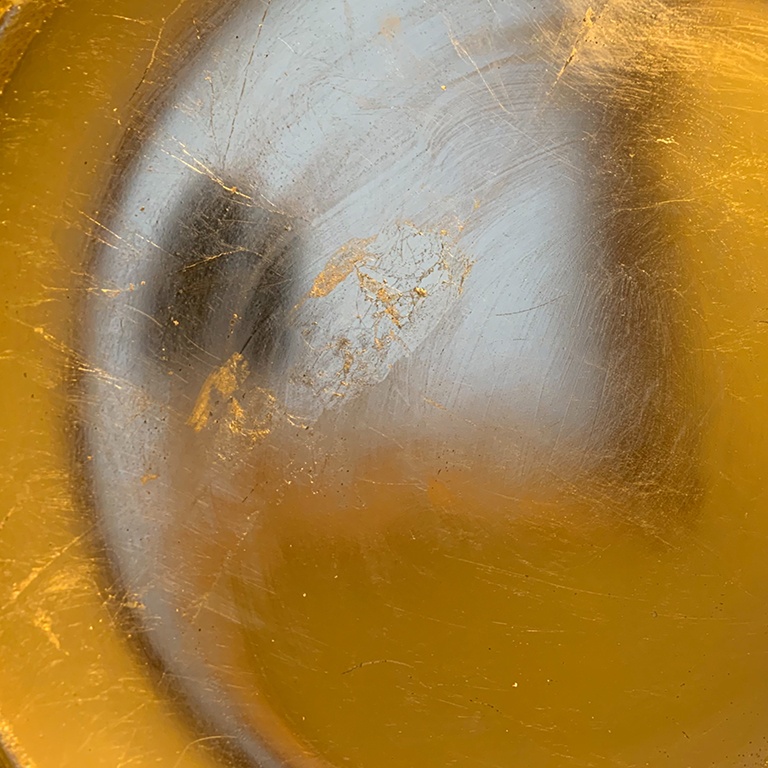
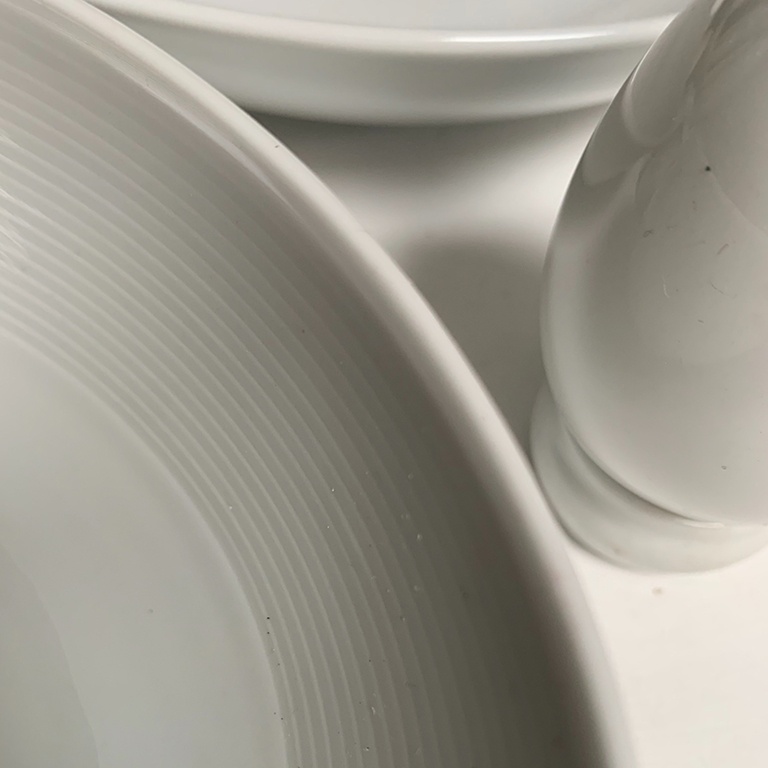
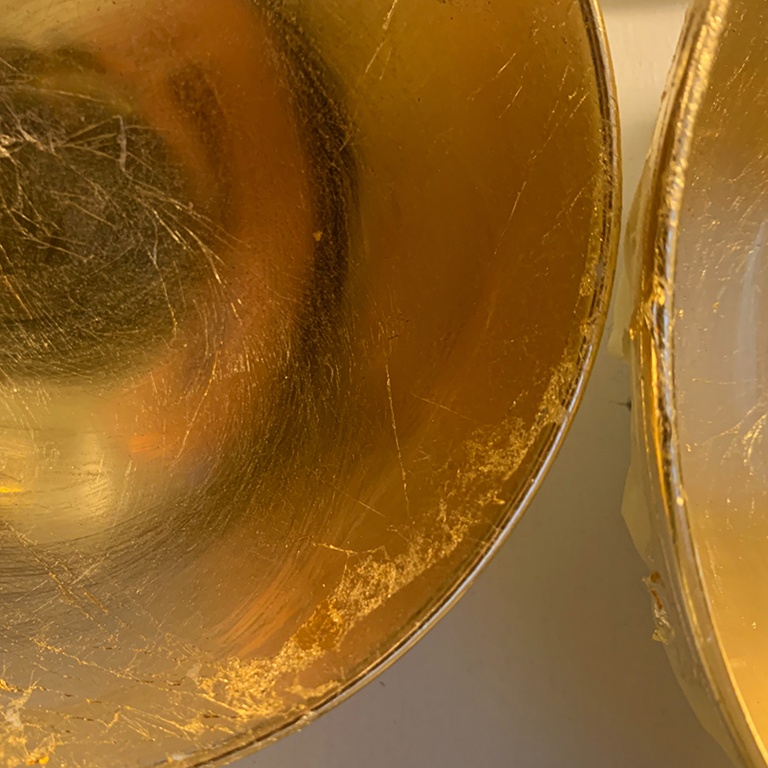
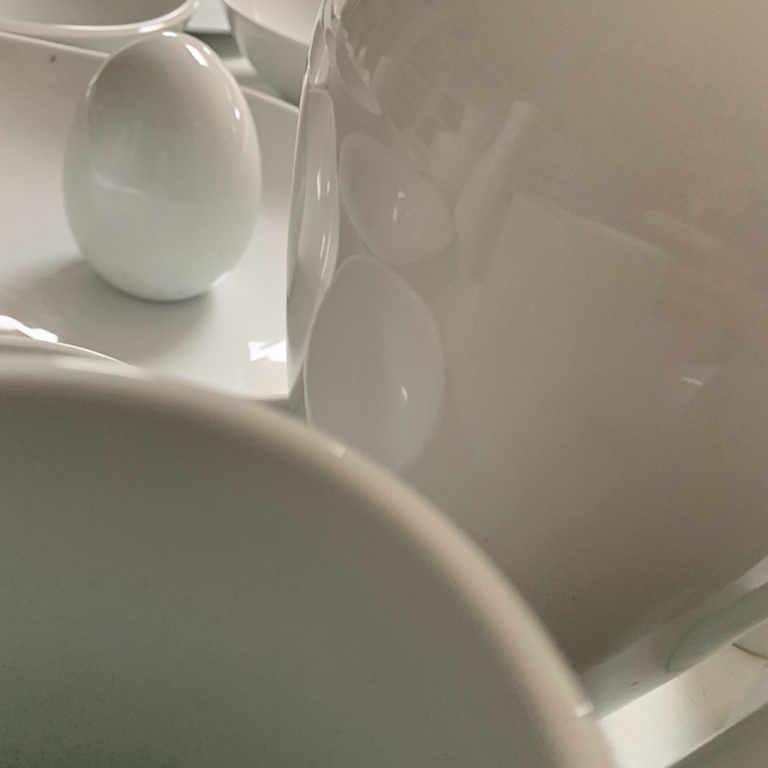
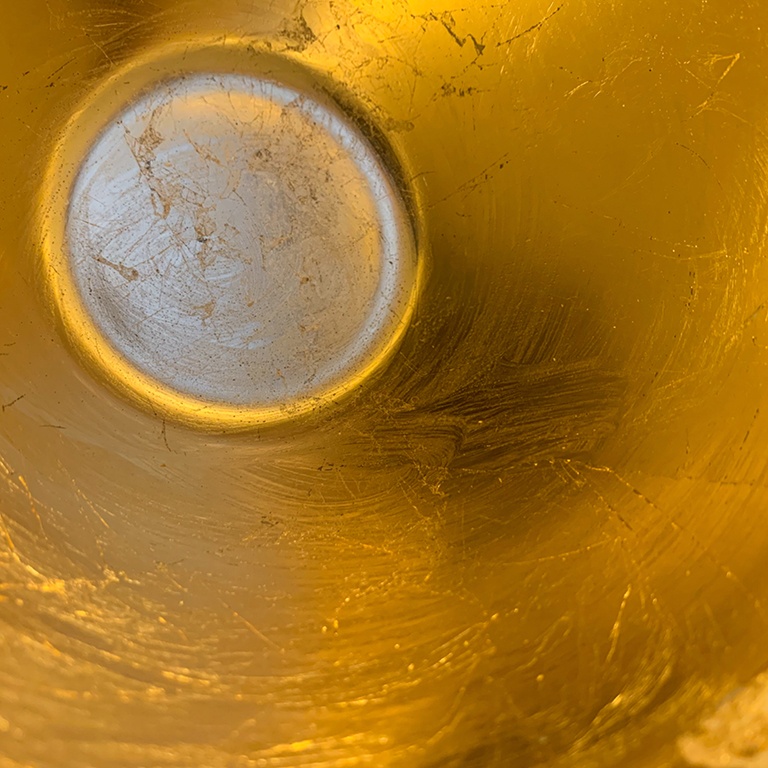
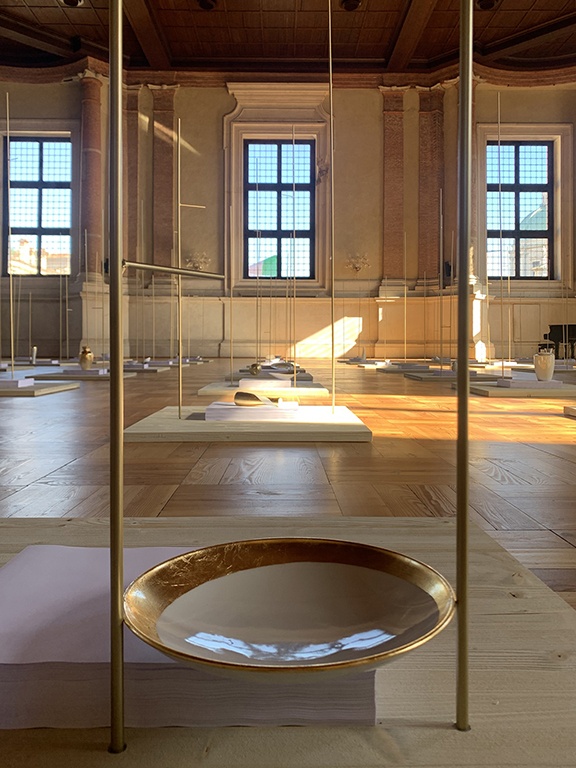
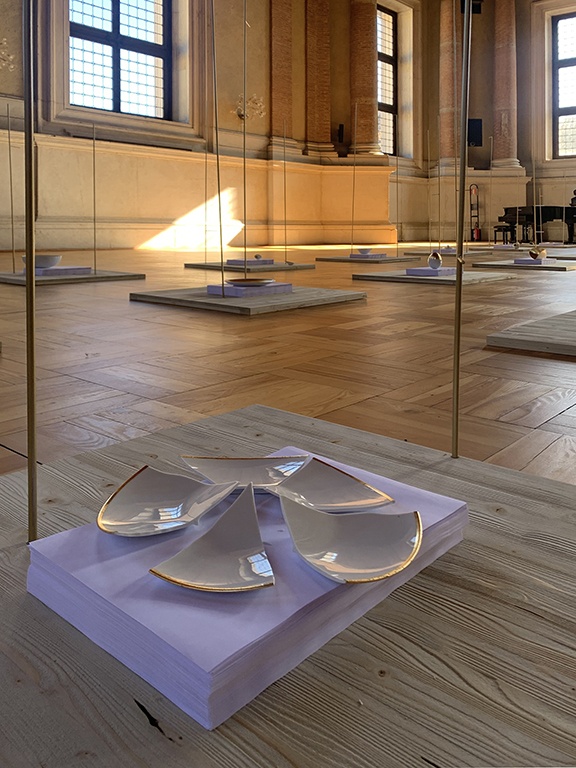
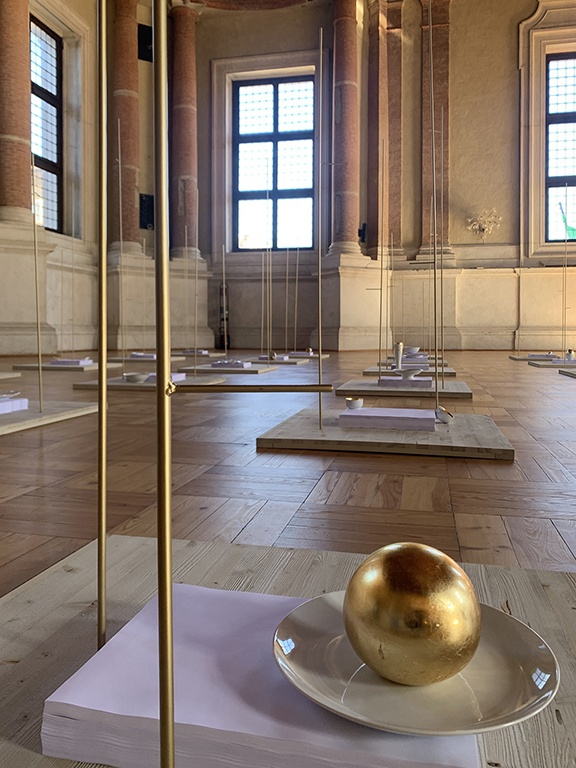
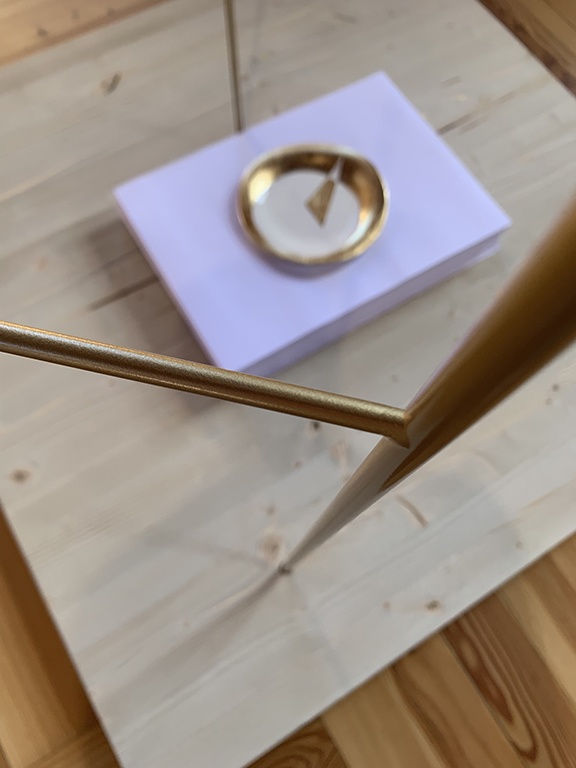
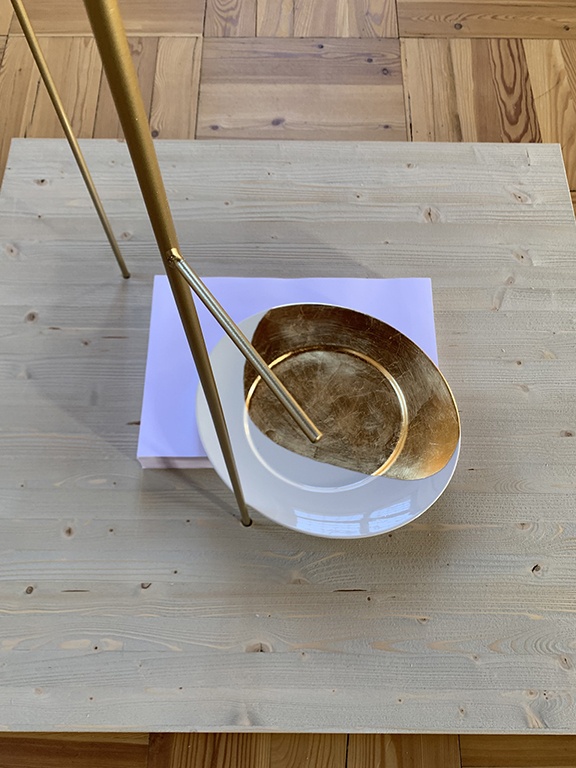
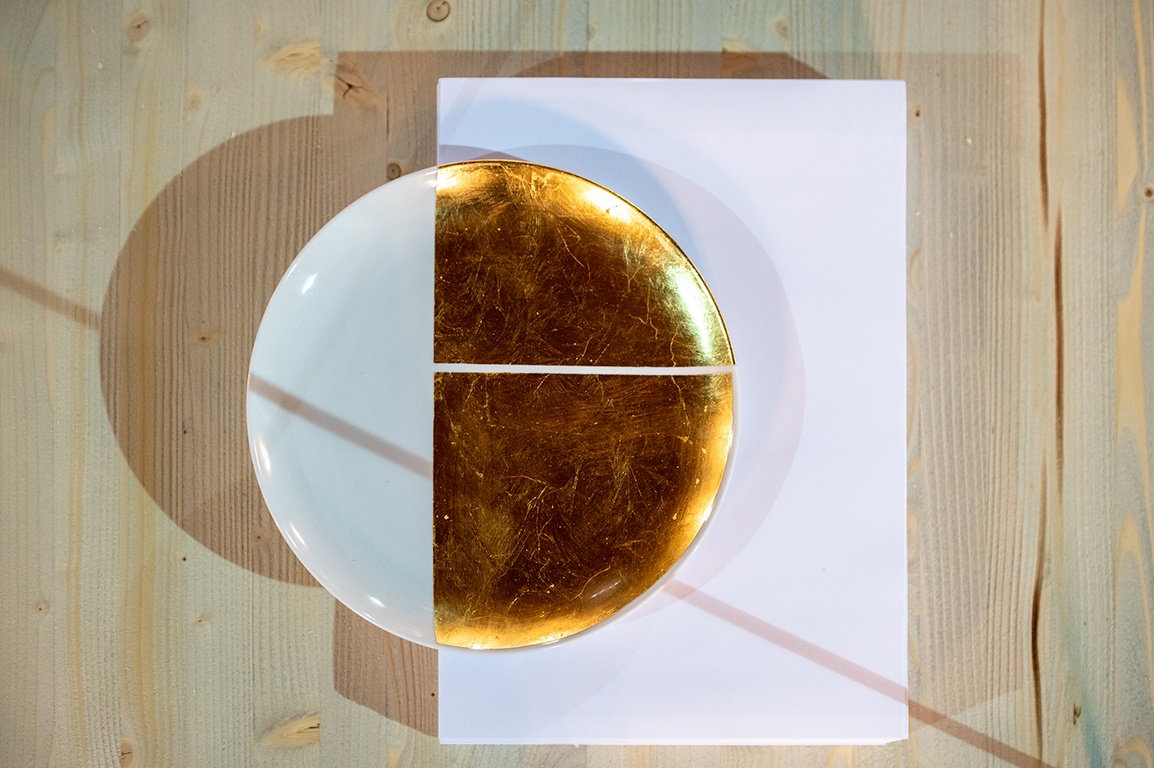
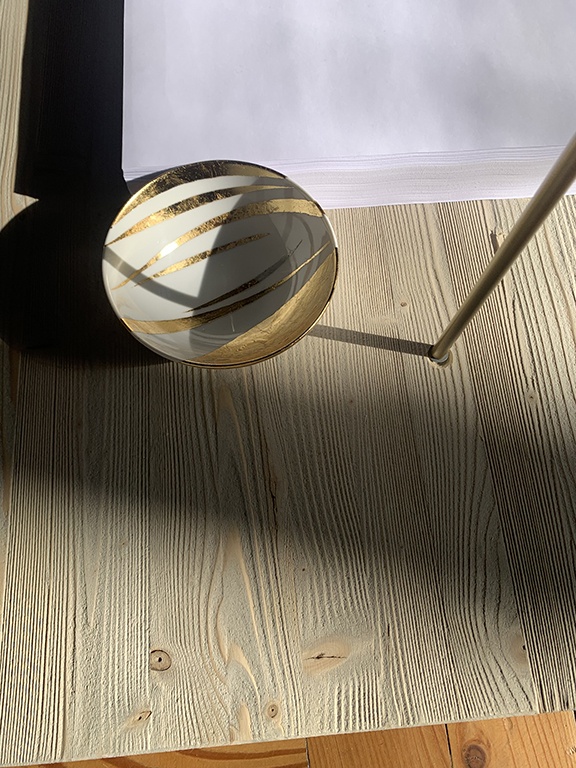
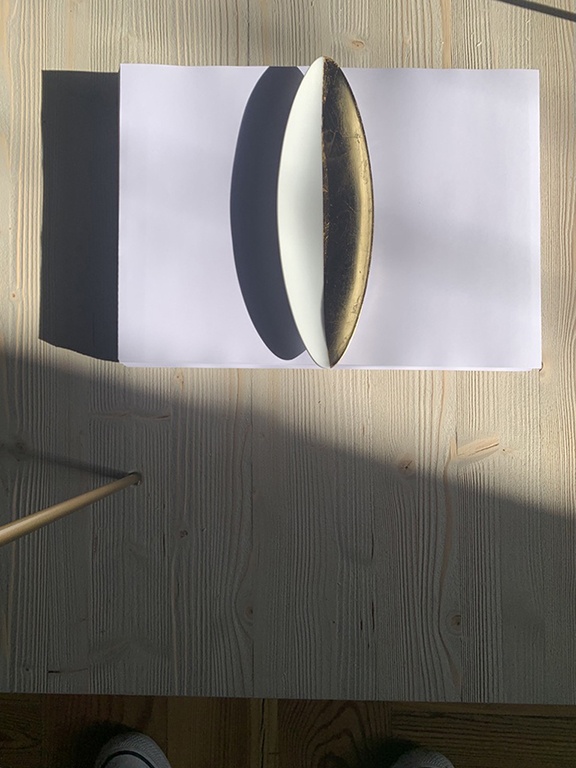
It has a body, a white ceramic container that is unique in shape, unlike any other, yet it “contains” GOLD — a value, its own specific and imponderable qualities.
The ceramic body rests upon a bundle of immaculate white sheets: the place — or non-place — material or immaterial, upon which all traces and paths of experience are drawn as life unfolds… the MEMORY of all failures and achievements that have shaped the identity of the body and its golden core.
This identity, in turn, rests on a solid wooden surface, a “fertile ground” that supports it, guides its perception and action, and into which value is sown.
From the ground of each entity two stems sprout, made of the same golden substance (value) contained within the ceramic body… growing upward toward the sky.
The GOLD of identities I imagined evolves and grows when the ability to perceive the world connects with our experience — allowing us to imagine the future.
The future is imagined through ideas,
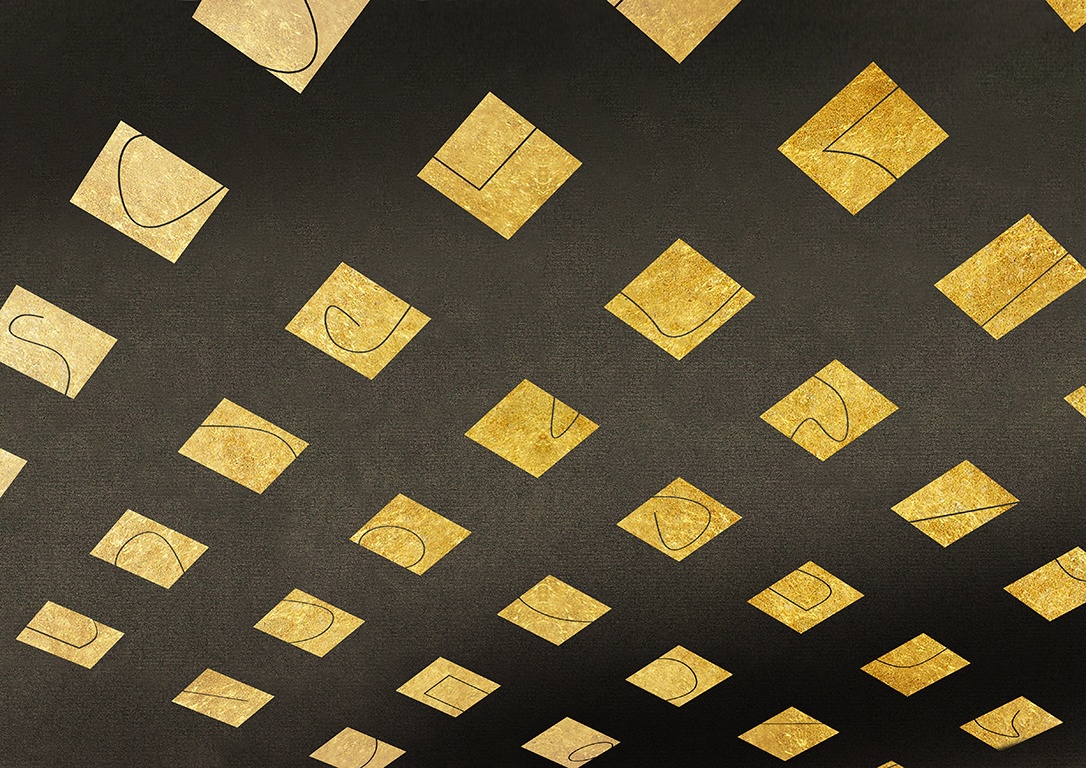
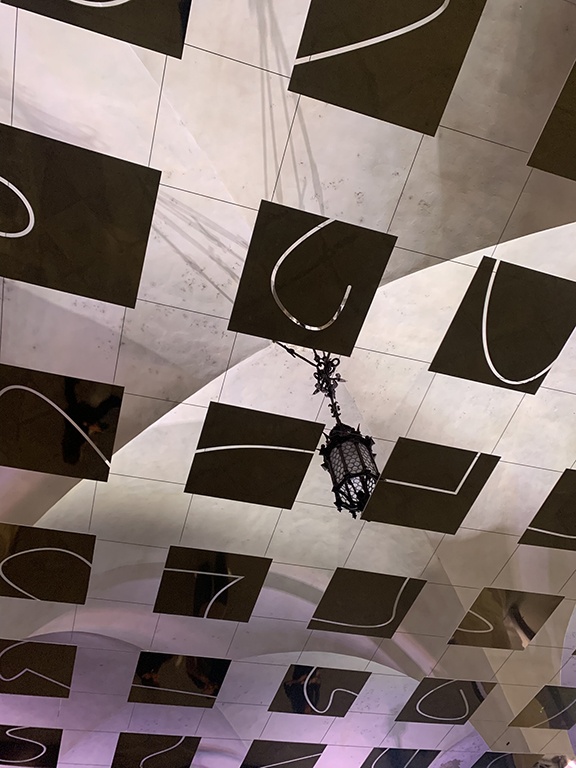
and when ideas are realized, they in turn become SIGNS —
SIGNS in space and time, in both the individual and collective dimension.
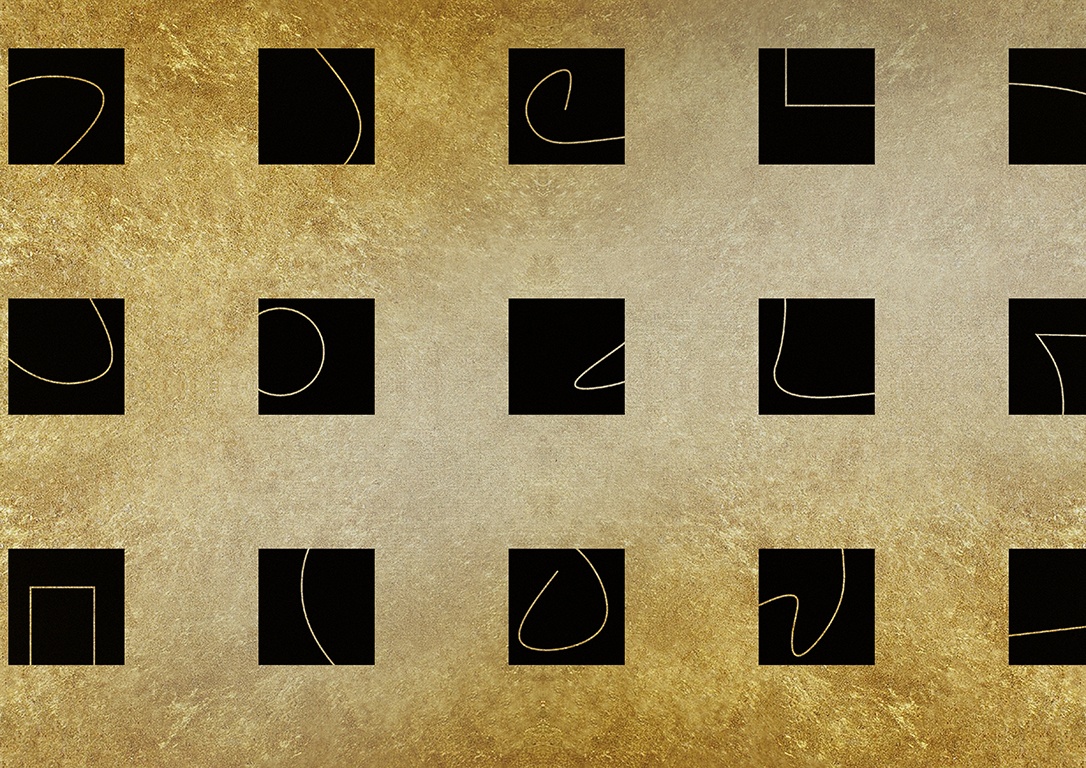
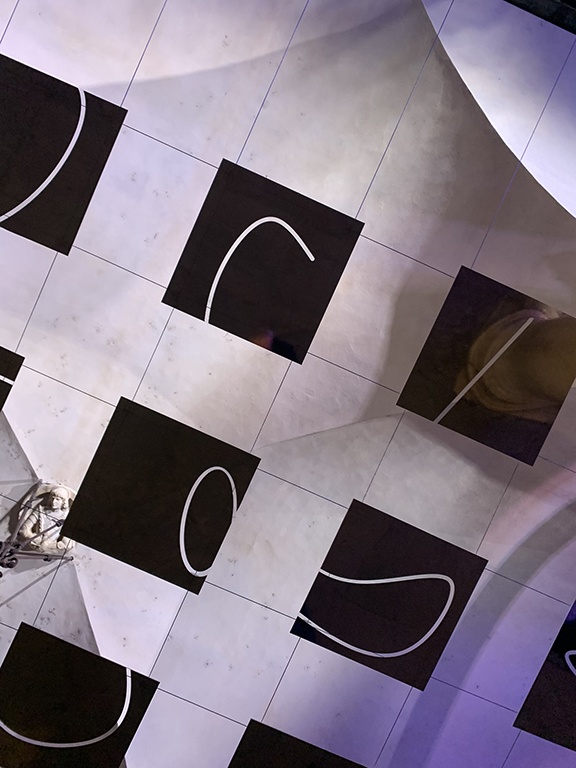
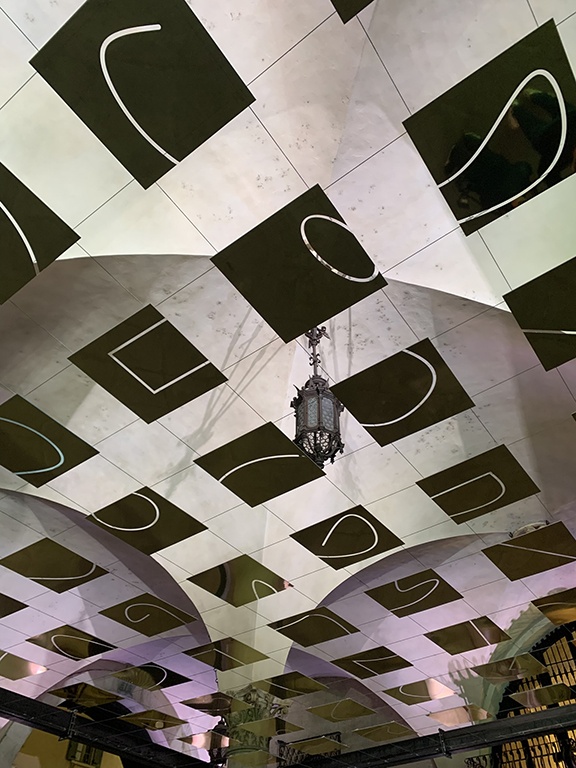
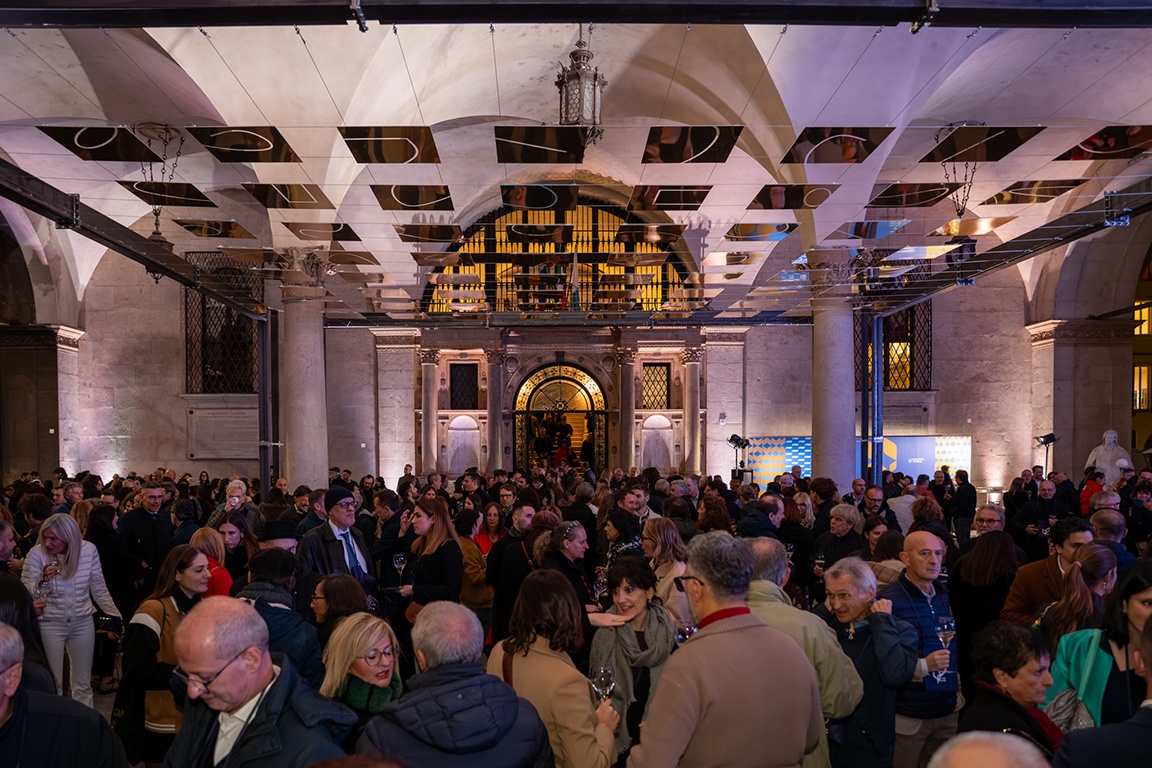
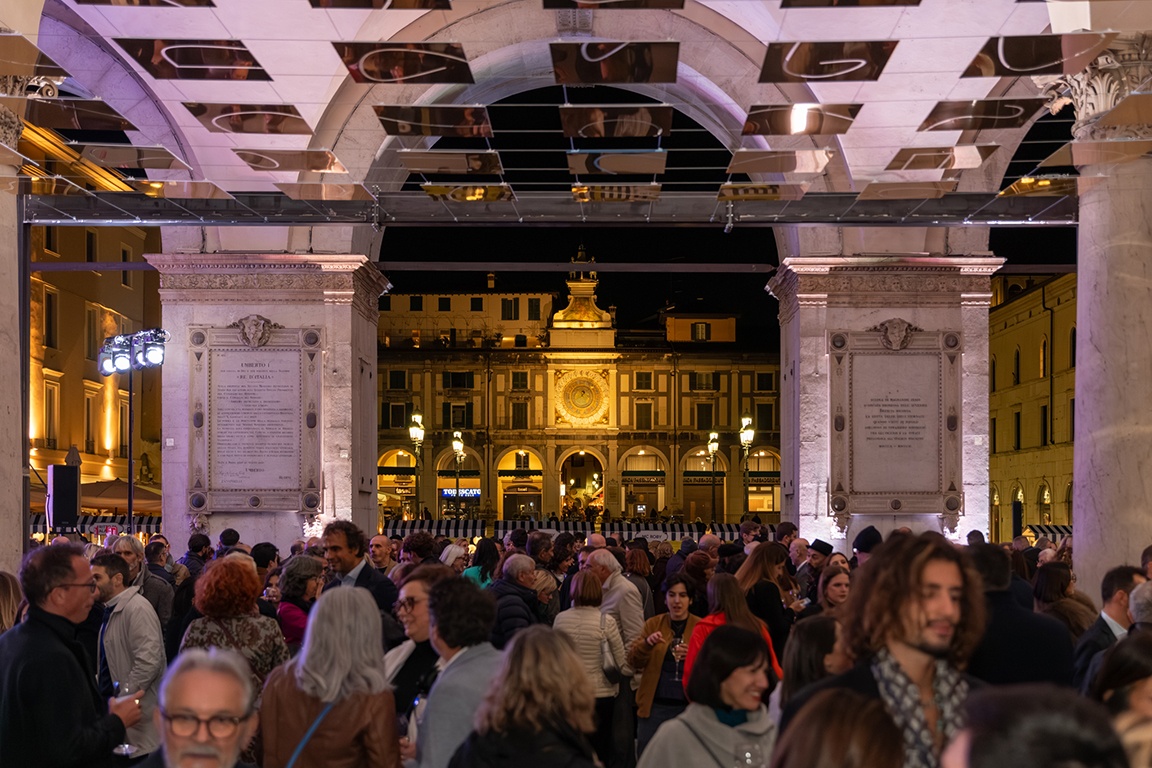
The garden of signs mirrors the hortus conclusus from which it originated;
the two share the same structure and dimensions.
The garden of signs is symbolically placed in the Portico of the Loggia,
as if — by penetrating through the floor of the Palace, symbol of the territory and civil society — it might emerge into the world’s shared space, ideally offering its values to the community to help nurture the city of tomorrow.
The garden I have imagined is a reflection on humankind and the environment that contains it… on the idea that the respect, appreciation, and growth of each individual’s diverse qualities can generate collective value.
In my view, only to this extent can Eudaimonia truly be possible.”
Domenico Franchi, August 2025
Produced by: Gruppo Foppa Cooperativa Sociale Onlus
Coordination: Benedetta Albini
Executive direction: Micaela Bottoni
Design assistant: Giulia Bruschi
Installation realized by: Botticini F.lli and Studio Domenico Franchi